
Stitchli Society Conversations
Fashion Isn't Inclusive Until Everyone Can Wear It
Shweta Pere explains how adaptive clothing can support comfort, dignity, independence, and meaningful inclusion.
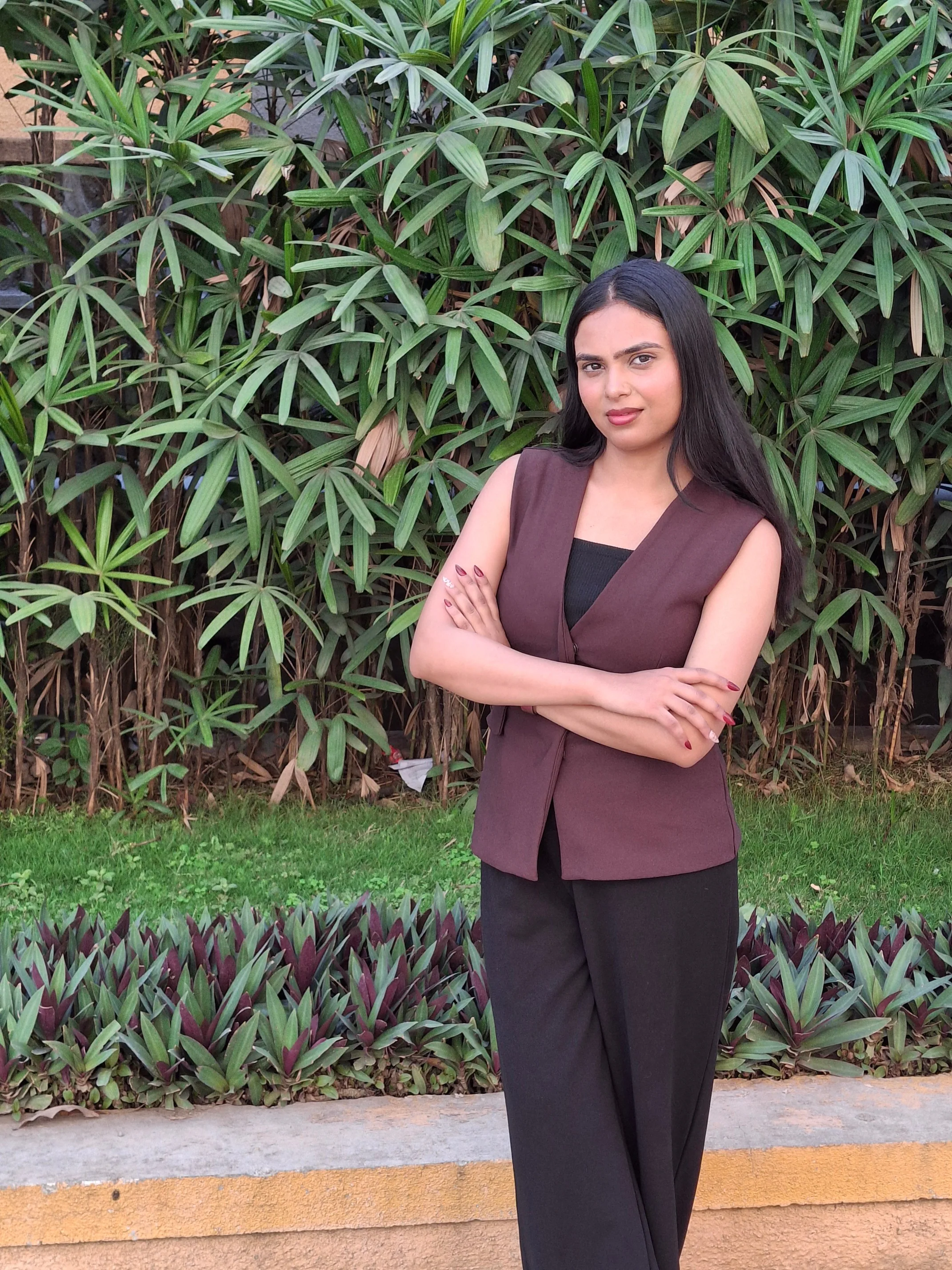
The interview
Shweta Pere is a fashion designer and co-founder of an adaptive wear startup for older adults. With an M.Des in Fashion Design from the School of Fashion Technology, Pune, she is building a practice around comfort, dignity, independence, and purpose-driven design. Here, she discusses what fashion must do to become meaningfully inclusive, and why listening to real users is central to better clothing.
The Conversation
What first drew you to fashion, and how has your journey shaped the way you design today?
Since I was young, I've always loved dressing up. I loved how a good outfit could instantly make me feel confident. Back then, fashion for me was all about self-expression. It was a way to express your personality, culture, background, and creativity. My perspective completely changed during my Master's when I had a subject called Designing for Special Needs. We visited NGOs and interacted with people with special needs, and I realized that something as simple as getting dressed can be an everyday challenge for someone else. Research showed me that very few brands worked in this space, and those that did were often expensive, inaccessible, or overly medical in appearance. That experience eventually inspired me to co-found an adaptive wear startup. Today, my goal is to create clothing that is functional, fashionable, accessible, and helps people with special needs feel like themselves.
At what point did inclusivity become an important part of your thinking as a designer?
Inclusivity became important to me when I stopped designing based on assumptions and started interacting with real people. Listening to their experiences and observing their daily routines made me realize that even the smallest design decisions can make a huge difference in someone's everyday life. That's when I understood that design isn't just about creating beautiful products. It's about creating solutions that respect people's dignity, independence, and lifestyle.
Many brands describe themselves as inclusive. At what point do you believe fashion truly becomes inclusive?
For me, fashion becomes truly inclusive when we stop making people feel like they're different. Having different product categories is completely fine, but the clothing itself shouldn't make someone feel singled out. When I design, I don't want people with special needs to feel like they're wearing special clothing. I want them to wear something that simply works better for them while looking just as stylish as any other garment. At the end of the day, they may have different needs, but their desire to look good, feel comfortable, and express themselves is exactly the same as everyone else's.
Where do you think the industry is making meaningful progress, and where is it still falling short?
I'm happy to see that conversations around diversity and inclusivity are growing, and more brands are acknowledging the importance of designing for different people. However, I think we're still falling short when it comes to the products themselves. We often think of people with special needs as a separate group, when they're simply people with different requirements. I also believe designing isn't just about creativity or technical skills. Especially in adaptive fashion, it also requires empathy. Understanding someone's everyday life is what leads to meaningful design.
How can brands move beyond representation and create products that genuinely serve diverse communities?
The first step is research. Deep research. Designers need to spend time with the people they're designing for. Observe their routines, understand their challenges, and pay attention to the smallest details. Many times, the best design solutions come from observations that most people would overlook. I also believe a product shouldn't reach the market until it has been tested by the people it's actually designed for. The more you involve your users in the process, the more meaningful the final product becomes.
What does the future of inclusive fashion look like to you?
I hope inclusive fashion becomes the standard rather than a separate category. I want to see clothing that is stylish, functional, accessible, and affordable for everyone.
Shweta Pere is one of the featured voices in Stitchli Society Conversations, a series spotlighting the designers, founders, and creative minds shaping the future of fashion.
Join Stitchli Society to discover more inspiring stories, connect with fashion professionals, and grow with the community.
Continue the conversation
Meet the people moving fashion forward.
Join a curated community built for considered exchange, creative growth and meaningful collaboration.
Apply for membership→