
After Class 12, fashion design can look like a long list of course names and admission pages. The better first question is simpler: what kind of work do you want to do, and what kind of learning will help you do it? A designer may spend the day researching a collection, drafting patterns, fitting a garment, presenting ideas, or managing production. This guide compares the main course routes after 12th and gives you a way to choose without relying on a glossy brochure.
Start with the work, not the label
Fashion education usually mixes visual thinking with practical work. You may study drawing, colour, textiles, garment construction, pattern making, styling, fashion communication, computer aided design, merchandising, or production. The balance changes from one institution to another, so read the current curriculum before applying. Course names alone do not tell you how much studio time or technical practice a programme includes.
When I compare courses, I look for the assignments students actually complete. A portfolio of finished projects, samples, research pages, and fitting notes tells you more than a page of adjectives about creativity.
Course routes after 12th
Bachelor of Design in fashion design
A B.Des in Fashion Design is a broad undergraduate route for students who want structured training across concept development, materials, construction, design presentation, and project work. It often suits someone who wants time to test different areas before choosing a direction such as apparel, textile, costume, styling, or accessories.
Check the exact eligibility, entrance process, subject requirements, course duration, fee, and campus facilities for each institution. These details vary and can change, so confirm them on the official admission page before you submit an application: [VERIFY: confirm current eligibility, entrance dates, fees, and duration before publishing].
Bachelor of Fashion Technology
A fashion technology degree usually leans towards production, manufacturing, garment technology, quality, and the systems behind apparel. It can be a better fit if you enjoy understanding how a garment is made at scale, how specifications are managed, or how production problems are solved. Review the subjects carefully because the balance between design and technology differs by programme.
Fashion design degrees in art, science, or management departments
Some colleges offer fashion design or apparel programmes as a B.Sc, Bachelor of Arts, or a management degree with a fashion focus. These can lead to different combinations of design, textiles, merchandising, retail, communication, and business. Do not dismiss a course because its title differs from the one you searched for. Compare the modules, studio access, assessment method, and project output.
Diploma and advanced diploma programmes
A diploma can suit students who want a shorter, more focused route or who want to test fashion before committing to a longer degree. Common areas include fashion design, apparel production, pattern making, styling, textile design, and fashion illustration. Ask whether the programme includes supervised making, industry projects, portfolio guidance, and a clear progression route if you later want a degree.
Certificate and short courses
Short courses work well for a specific skill: sewing, draping, digital illustration, surface design, fashion styling, or portfolio preparation. They are useful additions to a degree or a practical way to explore an interest. A certificate alone may not cover the range of work expected for a full design role, so be clear about what the course can and cannot prepare you to do.

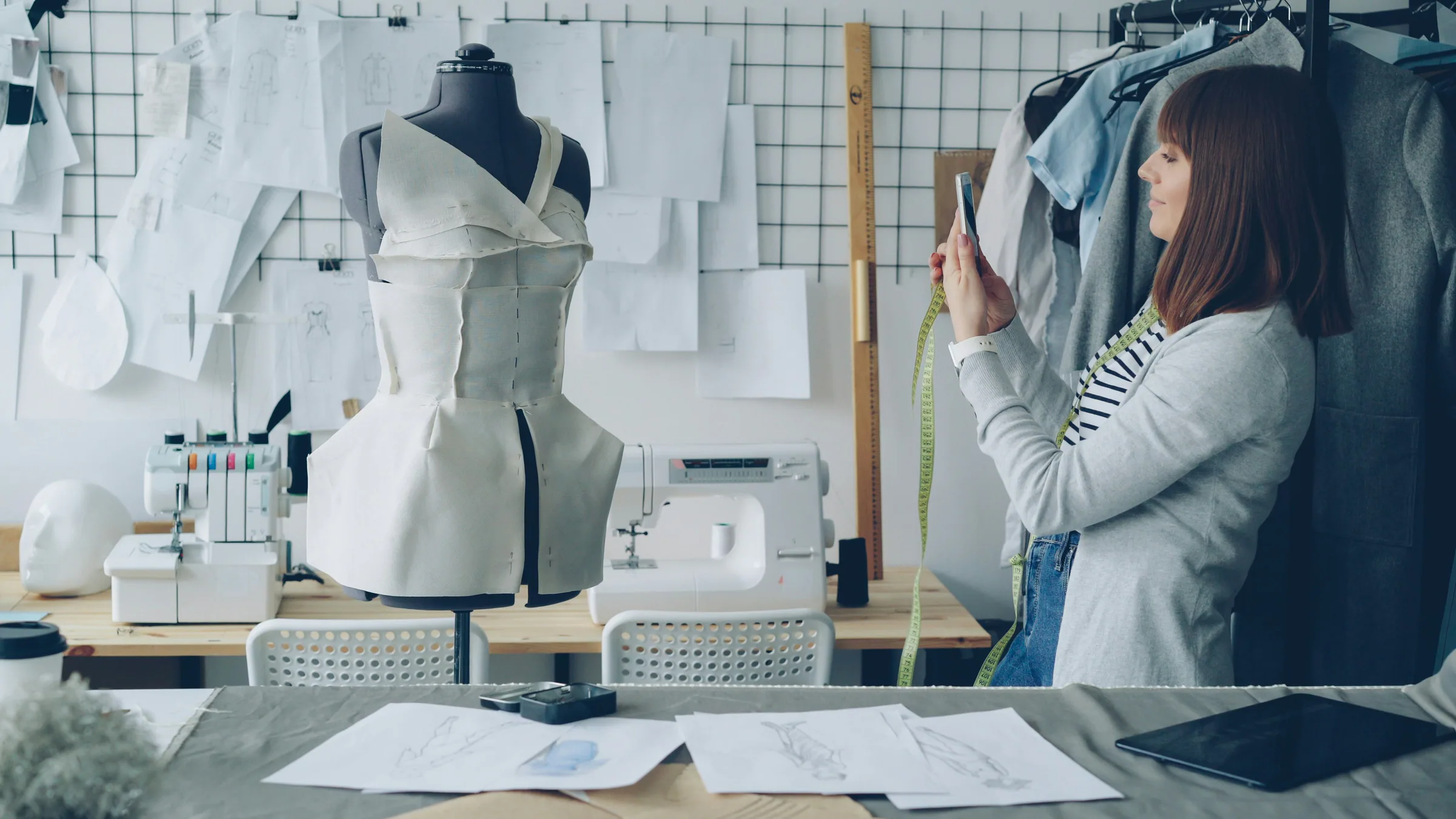
Practical classes help you discover whether you enjoy the patient, repeated work behind a finished garment.
How to compare colleges and institutes
Make a simple comparison sheet with the same questions for every option:
- Curriculum: Which subjects are taught, and how much time goes into making and technical work?
- Studio access: Can students use sewing machines, cutting tables, textile equipment, computer labs, and libraries?
- Portfolio output: What projects, samples, presentations, or exhibitions do students complete?
- Faculty and feedback: Who teaches the core subjects, and how often do students receive critiques?
- Industry exposure: Are internships, live briefs, visits, or collaborations listed clearly? Treat placement promises as claims to verify with the institution.
- Total cost: Include tuition, materials, equipment, travel, accommodation, and project expenses. Confirm current figures directly with the college: [VERIFY: confirm current fees and additional costs before publishing].
Look beyond photographs of a runway show. Ask to see ordinary student work, workshop rules, sample briefs, and the facilities you would use every week. If possible, speak to current students or recent graduates about workload, feedback, and material costs.
Entrance tests and portfolios
Some institutions use an entrance test, interview, portfolio review, or a combination. Requirements differ, so follow the current notice from each institution. A useful preparation routine includes observational drawing, basic garment or object studies, colour exercises, visual research, and short written explanations of your choices.
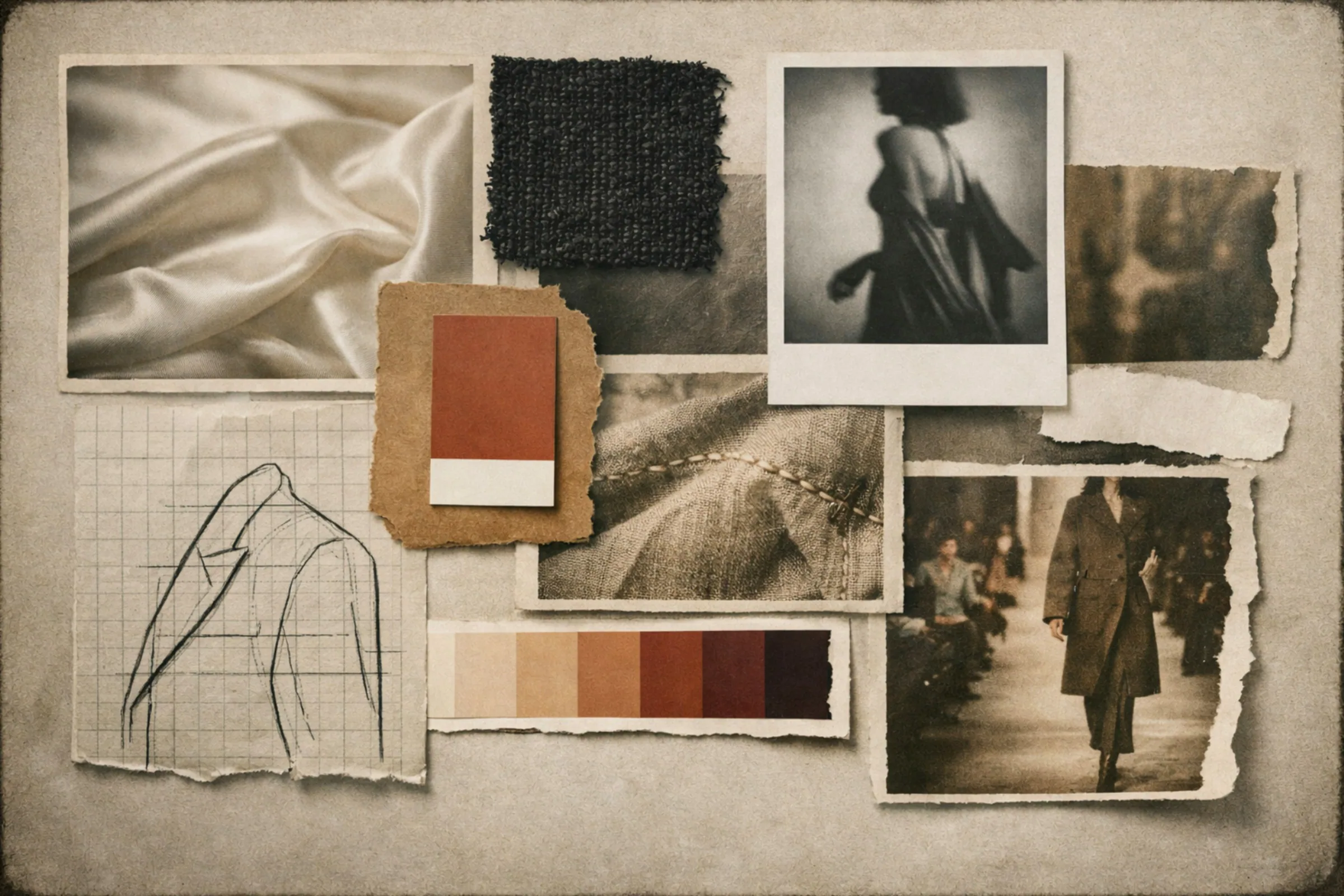
Your portfolio does not need expensive photographs. Show how you notice, test, edit, and solve. Include process pages, fabric experiments, sketches, construction attempts, and finished work. Label your role and explain what changed between versions.

A process page can show more about your readiness than a single polished image.
Skills to build before the course begins
Practice drawing from observation, measuring accurately, using a basic sewing machine safely, and keeping a project notebook. Learn to describe fabric by weight, drape, stretch, surface, and care needs. Try a small project from brief to finished sample so you understand where patience is required.
Also practise explaining your decisions. Fashion courses involve critiques and group work. You should be able to say what you tried, what failed, and what you would change without treating feedback as a personal attack.
Common mistakes when choosing a course
- Choosing by name alone: Read the modules and assessment details.
- Assuming every course teaches the same techniques: Check workshop equipment and practical hours.
- Ignoring the total cost: Add materials, transport, software, tools, and project expenses.
- Trusting a placement headline: Ask what evidence and support the institution provides.
- Waiting to build a portfolio: Start documenting small experiments before applications open.
FAQ
Which fashion design course is best after 12th?
There is no single best course. Choose the route whose curriculum matches the work you want to learn, then compare practical facilities, feedback, project output, cost, and the current admission rules.
Can I study fashion design without a science background?
Many design programmes accept students from different school backgrounds, but eligibility is set by each institution. Check the official notice for the programme you want before preparing your application.
Is a diploma enough to become a fashion designer?
A diploma can build focused skills and a starter portfolio. Your outcome will also depend on the quality of your work, technical ability, experience, and the kind of role you pursue.
Do I need to know sewing before joining?
Prior sewing experience helps, but many programmes teach foundations. Practising basic machine work, hand stitches, measuring, and fabric handling before class will make early projects less intimidating.
What should I include in a fashion course portfolio?
Include observational drawing, research, colour or material studies, sketches, samples, process notes, and finished projects. Show your decisions and your role instead of submitting only polished images.
Related reading
Building a Fashion Portfolio That Gets Noticed explains how to edit projects and make your role clear. From Concept to Collection is useful when you want to practise a complete design process, and How to Price Your Fashion Work with Confidence introduces the business questions that come after training.
Ready when you are
Continue beyond this guide
Open the curated destination in a new tab when you are ready to continue.
Open resource